
Subgenre
Lovecraftian
Related categories


Games305
Bloodborne
Bloodborne — действия-RPG от FromSoftware и Хидетаки Миядзаки, духовный преемник серии Souls. Игрок берёт на себя роль Охотника, прибывшего в готический город Ярнам ради переливания таинственной местной крови. Вскоре он оказывается посреди «ночи Охоты» — неестественно затянувшейся ночи, в которой улицы кишат зверями, монстрами и людьми, превратившимися в нечто похуже. По мере исследования Охотнику открываются переходы между явью и сном: мир буквально дышит лавкрафтовским ужасом, и за пределами охоты на тварей лежит куда более странная и пугающая истина. Тем, кто заходит глубже, доступны открытия, переворачивающие понимание самого Ярнама. Геймплейно Bloodborne куда агрессивнее и быстрее, чем Souls. Щиты убраны, защита заменена контратаками выстрелом, акцент сделан на дерзкие связки трюк-оружия и активное возвращение здоровья после удара. Это одна из самых стилистически цельных и атмосферных игр FromSoftware.
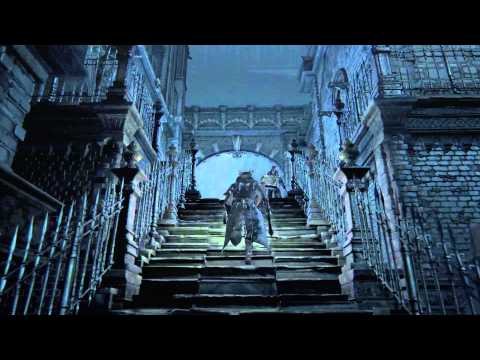
Darkest Dungeon: The Crimson Court
Darkest Dungeon: The Crimson Court — первое крупное дополнение к культовой готической RPG Red Hook Studios. Это параллельная кампания, разворачивающаяся на фоне основной и добавляющая новые испытания на каждом уровне сложности. Повествование раскрывает ранние годы Ancestor'а и подаётся в знакомом фанатам стиле кинематографических катсцен. Разработчики подчёркивают: DLC можно запускать и в уже существующей кампании, и в новой — выбор за игроком. События и фичи открываются постепенно. Главная угроза — расползающееся по эстейту Crimson Curse: героев начинает охватывать вампирическая инфекция, и по коридорам бродит Fanatic — новый бродячий мини-босс, атакующий всех подряд в своём фанатичном крестовом походе против проклятия. Контента добавлено много: новый класс героя, регион Courtyard с уникальными ловушками и кьюриос, целый стан новых кровожадных противников, пять боссов с одними из самых изощрённых механик во всей игре, десять новых строений Districts для прокачки Hamlet'а и комплекты трейтов с сет-бонусами для всех классов. Для ветеранов Darkest Dungeon это обязательный шаг, выводящий сложность на новый уровень.

Alan Wake II
Alan Wake II — первый полноценный survival-horror Remedy Entertainment и долгожданное продолжение психологического экшена 2010 года. По сюжету в 2010-м бестселлерный писатель Алан Уэйк пропал без вести: на отдыхе в Тихоокеанском Северо-Западе он столкнулся со сверхъестественной тьмой, превратившей его собственный триллер в реальность. Алан загнал тьму обратно под озеро близ городка Bright Falls, освободив жену Элис, но сам остался в плену Тёмного Места. Тринадцать лет он живёт в этой полу-реальности, где его кошмары, страхи и истории материализуются вокруг него. Всё это время он пытается написать историю, способную изменить реальность и выпустить его наружу — пока безуспешно. Параллельно агент ФБР Сага Андерсон, специалистка по "невозможным" делам, прибывает в Bright Falls расследовать серию ритуальных убийств. Расследование быстро превращается в кошмар, когда она находит страницы триллера, которые сбываются вокруг неё и тревожно намекают на пропавшего здесь больше десяти лет назад писателя. Игра ведёт сразу за двумя протагонистами в двух реальностях — одна история, два героя, один общий ужас.
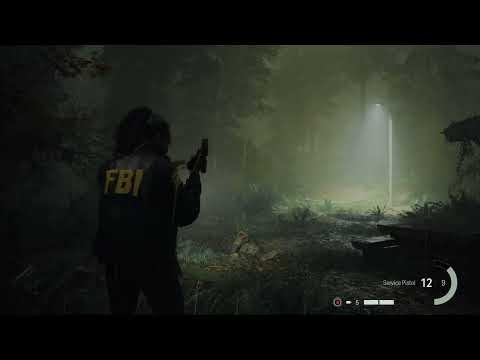
DUSK
DUSK возвращает вас в мир, где мастерство бойни и кровопролития — ключ к выживанию до рассвета. Вдохновлённый такими легендами 90-х, как Doom, Quake, Blood, Heretic, Hexen, Half-Life и Redneck Rampage, DUSK предлагает бескомпромиссный ретро-экшен от начала до конца. Саундтрек от мастера метал-музыки Эндрю Халшулта дополняет атмосферу. В трёх уникальных эпизодах кампании, созданных вручную в стиле 90-х, игрокам предстоит пробиваться сквозь натиск мистических культистов из глубинки, одержимых военных и ещё более тёмных сил, пытаясь выяснить, что же скрывается под землёй. В вашем распоряжении огромный арсенал брутального оружия, включая серпы, мечи, арбалеты, винтовки, дробовики (в том числе двойные и двуствольные) и, конечно же, гранатомёты и ракетницы. Помимо основной кампании, DUSK включает режим бесконечного выживания, где вы столкнётесь с волнами безжалостных врагов, а также многопользовательский режим DUSKWorld Arena для сражений с друзьями.

Cthulhu Saves Christmas
Cthulhu Saves Christmas is a fast-paced, comedic turn-based JRPG and a prequel to Cthulhu Saves the World. The master of insanity has lost his powers yet again, and the only way to get them back is to rescue Santa Claus from the League of Christmas Evil. Cthulhu does not go alone. He is joined by the Snow Maiden, Baba Yaga-chan and Belsnickel, building R'lyehtionships with friends and foes through super-streamlined life-sim segments while fighting the League's villains, including the Krampus and the Mari Lwyd, in unique turn-based combat that lets you insanify your enemies and chain multi-character abilities. The game is deliberately compact and brisk, with pacing that does not waste your time, running roughly four to five hours for a single playthrough on medium difficulty. Expect plenty of tentacles, more chickens than a Christmas game has any right to, and humor aimed at the whole family.
Grim Dawn: Ashes of Malmouth
Ashes of Malmouth — первое крупное дополнение к ARPG Grim Dawn, которое подхватывает сюжет основной игры и добавляет две полноценных главы в историю войны с Aetherials. Вам предстоит пройти через Gloomwald и Ugdenbog к павшему городу Malmouth, где Shaper of Flesh создаёт гротескных живых оружий, способных поставить точку в сопротивлении человечества. Для прокачки дополнение приносит серьёзные изменения: потолок уровня поднят до 100, потолок devotion — до 55, добавлены два новых мастерства — Inquisitor и Necromancer. Оба комбинируются с классами основной игры, что почти удваивает число возможных двуклассовых билдов. Параллельно появляются 14 новых констелляций, модификаторы скиллов на экипировке, новые нем-боссы и супербоссы, в том числе те, которых ещё нужно правильно призвать. Отдельная жемчужина — The Ancient Grove, rogue-like данж, выросший из заражённого Chthonians и Aetherials священного места Mogdrogen. Помимо контента, аддон добавляет долгожданный Illusion System для смены внешнего вида вещей, расширяет тайник и дарит возможности пересбросить атрибуты и мастери-бар через новый вид зелий и диалог с Spirit Guide.
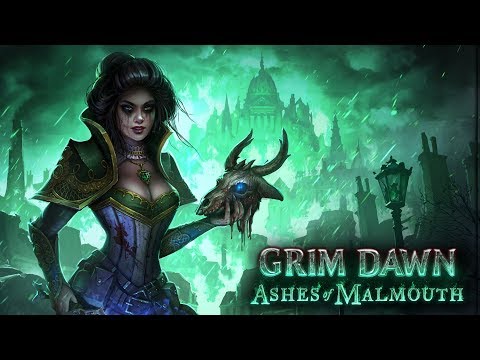
eversion
Eversion presents itself as a bright, retro-style platformer in the Flower Kingdom. The Princess has been taken by the Ghulibas of the north, and brave Zee Tee is on his way to rescue her across eight cheerful pixel-art worlds. The first act is everything you'd expect from a tribute to early console platformers — hop, collect, defeat bouncing enemies, hand-drawn indie pixel work that holds together as legitimate genre piece. The twist is the dimension-shifting mechanic the game uses to peel that surface back. Eversion can be triggered at specific points to shift the world into a parallel dimension where the rules subtly — or not so subtly — change. Each subsequent shift takes the game somewhere darker, weirder and more uncomfortable than the layer above it. By the time you realize what's going on, the cheerful platformer you started has become something else entirely, and the game leans hard into that contrast on purpose. The HD version on Steam adds achievement support and time-attack levels for competitive players. Three different endings reward different routes through the dimensional layers, and the developers note dryly that the game offers 'extra entertainment value when played alone at night.' The whole thing is intentionally short — ideal for busy players, with a plot designed to deliver its surprises in a single sitting.

The Baby In Yellow
The Baby In Yellow is a comedy horror game built on a simple babysitting structure that progressively unravels. Across 11 chapters you carry out increasingly mundane childcare duties — feed the baby, clean his diaper, read him a bedtime story, make a cheese toastie, put him to sleep — while the situation around you grows steadily more wrong. The Lovecraftian framing is the game's name: the King in Yellow / Hastur mythology of Robert W. Chambers, transposed onto a babysitting job from hell. Whispers in your head tell you to obey. The baby is described as adorable, but the description doesn't quite match what the baby actually does when you turn around. Tricksy puzzles and chase sequences punctuate the routine. Team Terrible's project originated as a 48-hour game jam entry and grew into a mobile phenomenon — over 140 million downloads — before this expanded Steam version. Trapped souls hidden across chapters unlock cheats like Big Head Mode. The story arcs across three acts and lands somewhere between dark comedy and genuine horror, depending on how seriously you take Hastur's appetites.
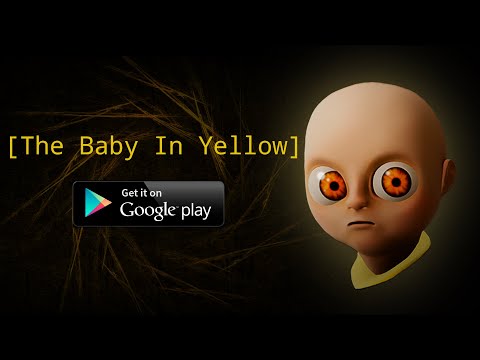
Devil Daggers
Devil Daggers strips arcade shooting down to a single arena, a single weapon, and a global leaderboard that the entire game is structured around. You stand on a small disc in a featureless void, summon waves of demonic enemies that get worse over time, and try to stay alive for as many seconds as possible. There is no level progression, no campaign, no boss; the score is the time you survived, accurate to fractions of a second. Movement is the heart of the design. The fluid system supports circle-strafing, bunny-hopping, dagger jumps and double jumps with speed boosts that experienced players chain through entire engagements without ever stopping. The magical daggers have two firing modes — a charged shot and a rapid-fire spray — and after harvesting enough demonic crystals from defeated enemies, they upgrade into homing variants that change the spatial calculus of every encounter. Thirteen enemy types each interact with the movement system in their own way, and the leaderboard replay system lets you watch the world's best runs (or your friends') and learn what they're doing differently. The custom engine commits hard to the 1990s software-rendered aesthetic: unfiltered textures, polygon jitter, HDR 3D positional audio with optional HRTF binaural support, procedural decals and a particle system capable of pushing hundreds of avoiding-flocking enemies at once.
Amnesia The Dark Descent
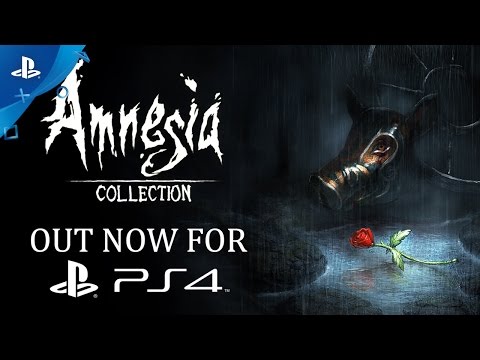
Последние воспоминания растворяются во тьме. Разум в смятении, и остаётся лишь ощущение, что за вами охотятся. Надо бежать. Amnesia: The Dark Descent — хоррор на выживание от первого лица. Игра о погружении, открытиях и проживании кошмара, способная пробрать до глубины души. Вы просыпаетесь в шкуре Даниэля в мрачном замке, почти ничего не помня о собственном прошлом. Исследуя жуткие коридоры, вы шаг за шагом переживаете и его тревожные воспоминания. Ужас здесь приходит не только извне, но и изнутри — это тревожная одиссея в тёмные уголки человеческого разума. Полностью физически смоделированный мир, передовая 3D-графика и динамическая звуковая система не щадят игрока. С первого момента до финала вы в полной власти действия: никаких кат-сцен или скачков времени — всё, что происходит, происходит с вами напрямую. Сражаться нечем: единственные средства защиты — прятаться, бежать и использовать смекалку.
Darkwood
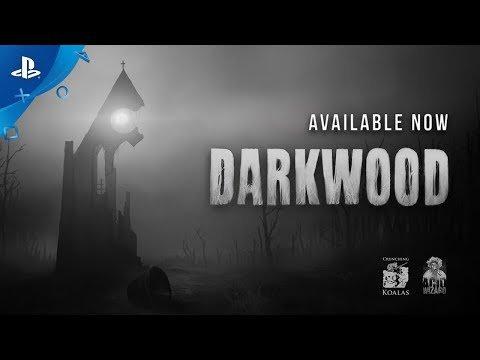
Darkwood is a top-down survival horror by the Polish studio Acid Wizard, and its central trick is that the camera angle isn't supposed to make it less scary. The world is a procedurally generated patch of woodland that gets worse the longer you stay in it, and the day-night cycle splits the game into two distinct kinds of play. Daylight is for moving — scavenging for materials, exploring deeper into the forest, killing what you can manage, talking to the few people willing to talk back. Night is the other half. You retreat to a hideout, barricade the windows and doors, set up whatever traps your scavenging earned you, and either hide in a corner or fight off the things that come for you when the lights go out. The hideout's lighting matters — too dark and you can't see enemies until they're on top of you; too bright and you draw more of them. The game doesn't hold your hand. There are no quest markers, no checklists, no obvious next step, and the developers are openly hostile to the idea that survival horror should hand you instructions. A skill system runs on a deliberately uncomfortable mechanic: you extract a strange essence from mutated flora and fauna and inject it directly into your bloodstream, which grants perks and skills along with unpredictable side effects. Conversations with the eerie cast — some friendly, most not — feed into a branching world where your choices affect who lives, who dies, and what kind of nightmare the deeper sections turn into. The line between what's real and what's a hallucination thins as the nights stack up, and the game leaves you to work out which side of that line you're standing on.
Layers of Fear
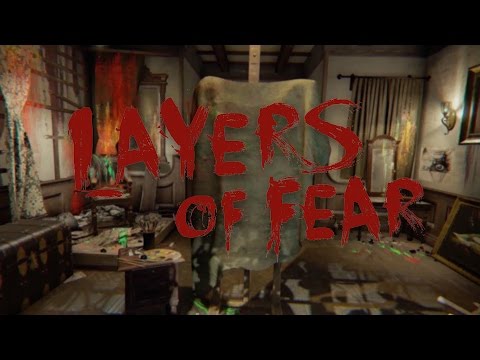
Layers of Fear is the 2016 game that put Bloober Team on the map as one of the contemporary specialists in psychological horror. The premise is intimate and unsettling: you play The Painter, an artist obsessed with completing his magnum opus, exploring his decaying Victorian-era home as the rooms reshape themselves around his collapsing mental state. Memory blurs into vision, vision blurs into nightmare, and each new discovery brings you closer to understanding both the painting and the obsession that destroyed him. The game's signature mechanic is the constantly shifting environment. The house reacts to the painter's mental state — turn your back on a corridor and the corridor isn't there when you turn around. Doors that were locked open. Rooms reconfigure into impossible geometries. Paintings shift their content, sometimes subtly, sometimes catastrophically. The unstable environment is the central horror device, and the game leans on it rather than on jump scares. The setting is built around iconic paintings, architecture and décor of the 19th century. Numerous pieces of original artwork and music flesh out both the storyline and the locations themselves, and the music carries a substantial chunk of the atmospheric work. The pace favors quiet builds and incremental discoveries over loud horror, and the cumulative effect — by the time you reach the painter's masterpiece — is one of the more memorable examples of first-person psychological horror from its era.
FAITH The Unholy Trinity
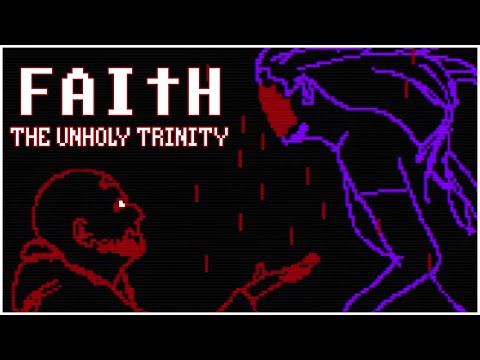
FAITH: The Unholy Trinity collects all three chapters of Airdorf Games' pixel horror series into a single release. The framing is openly indebted to 1980s religious panic: on the night of 21 September 1986, two priests arrive at the Martin Family home in rural Connecticut to investigate a case of demonic possession, and only two people leave the house alive. Chapter I follows a young priest returning a year later, haunted by nightmares and searching for answers; the subsequent chapters chase that priest deeper into the same darkness. The presentation deliberately apes the aesthetics of the era it's set in. The pixel art is wickedly chunky, the cutscenes use hand-crafted rotoscope animation that flickers in ways the more modern style doesn't, and the soundtrack is a haunting retro score. Demonic EVPs are channelled through abandonware-era speech synthesizers — the voices in your head sound exactly like what an 80s home computer would say if it were possessed. Mechanically the game stays small: you carry a holy crucifix, use it to perform exorcisms and cleanse haunted objects, and fight back against possessed cultists in encounters that are short, deadly and frequently lethal. Across all three chapters you explore desolate forests, abandoned churches, and the inner sanctums of an active Satanic cult, and your decisions shape which of several endings — including secret ones — the trilogy closes on. Your faith, mechanically and narratively, weakens as it should.
Penumbra Black Plague
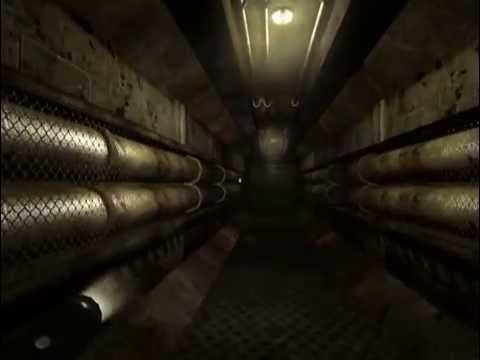
Black Plague is the chapter where the Penumbra series fully committed to psychological horror over combat. Philip, still searching for his missing father, is now trapped deeper in the underground complex from the first game, surrounded by enemies he can't fight directly. The systems that defined Frictional's later Amnesia work are visibly emerging here: physical inventory interaction, fear-driven sanity, the gnawing pressure of being prey. The game runs on the studio's then-current engine with motion blur and a unified lighting system that lean into psychological atmosphere rather than visual showcase. The interactive object system lets you pick up, rotate, and place anything not nailed down through a drag-and-drop interface — drawers open, valves turn, doors slide on physics rather than on animation triggers. The Gold Edition bundles Black Plague with the Requiem puzzle expansion, which strips away the survival horror entirely and turns the same engine into a series of pure environmental puzzles. The complete campaign closes out the larger Penumbra storyline that began with Overture, with the answers about Philip's father pulled all the way through.
Impostor Factory
Impostor Factory — нарративное приключение от создателя To the Moon и Finding Paradise, категорически не в себе. Доктор Уоттс и доктор Розалин занимаются необычным делом: дают людям шанс прожить жизнь заново с самого начала. Но это, кажется, не их история. История — о Квинси. Однажды его пригласили на шикарную вечеринку в подозрительно уединённый особняк. Он согласился: особняк хоть и подозрительный, зато с вечеринкой. На месте выяснилось, что в ванной стоит машина времени — можно и руки помыть, и в прошлое смотаться. А потом люди, как это часто бывает, начинают умирать, и дело принимает откровенно лавкрафтианский оборот с щупальцами. Это уютный микс приключения и классической RPG-эстетики с диалогами, которые звучат неправильно, но ощущаются как надо. Игру можно проходить независимо от To the Moon и Finding Paradise, но порядок повлияет на впечатление.
CARRION
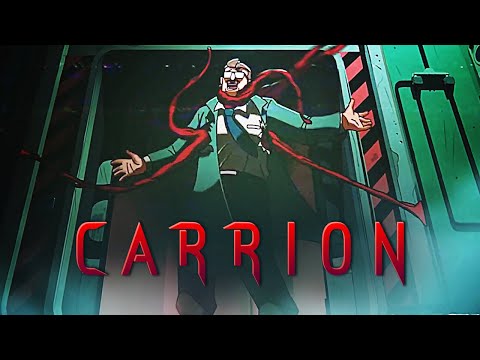
CARRION inverts the standard horror-game role. You don't fight the monster; you are it. The protagonist is an amorphous, tentacled, red mass of unknown origin imprisoned inside a research facility, and your job over the course of the game is to escape that facility by eating the people who put you there. Most of the staff, when they first see you, scream — which is part of the point. Movement is fluid and explicitly designed to feel monstrous. The creature pulls itself through corridors, vents, and across ceilings with multiple tentacles at once, hauling its mass through openings that look too small for it and erupting out the other side. As you consume enemies your biomass grows, and over the course of the game you absorb a series of new abilities that fundamentally change how you interact with the environment — webs, ranged attacks, mimicry, the ability to dive into bodies of water and emerge somewhere else entirely. The pixel-art presentation leans into body horror without overplaying it. Sound design carries a lot of the atmosphere — meaty wet movement, panicked human voices, the cluttered noise of a facility coming apart at its seams. Underneath the moment-to-moment hunt, the game tells its own quiet story through environmental detail about how the creature got there in the first place, with most of the larger picture left for the player to reconstruct from what they tear apart on the way out.
Forgive Me Father 2
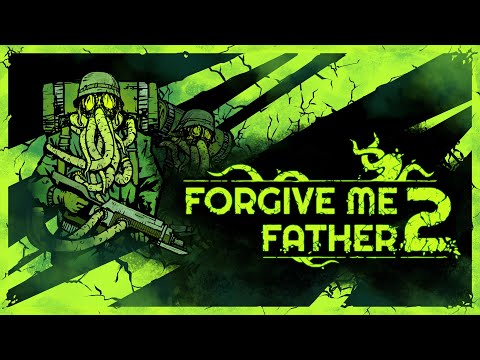
Forgive Me Father 2 returns to a malevolent H.P. Lovecraft-inspired world where madness waits on every corner. You continue the story of the Priest from the first installment, balancing on the edge of sanity while blasting through possessed enemies and unspeakable Old Ones. The question stays the same: will your sins be forgiven, or your soul consumed? The dark hand-drawn comic-book visuals return with improved sprites, models, and atmospheric lighting. Every frame still looks like a comic panel, but the upgraded pipeline pushes blood effects and animated gibs further than before. Enemies all evolve into more twisted forms of themselves as the journey progresses, so familiar threats keep mutating into worse versions partway through. Weapons each carry powerful variations: devastating shotguns, accurate rifles, explosive launchers, each with secondary tunings designed for absolute mayhem. Madness is mechanic and friend both: let it flow through you to fuel extraordinary new abilities, then unleash them on cultists and ancient horrors. The original soundtrack pairs electric guitar riffs and energetic drums against the Lovecraftian atmosphere for full headbang energy.
Crawl
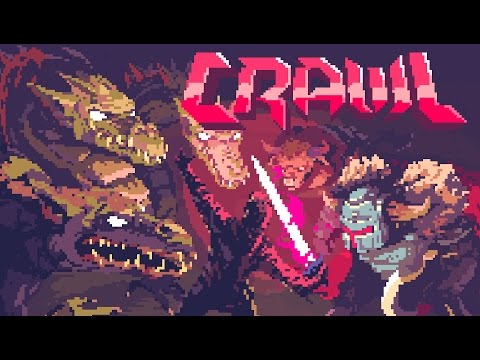
Crawl is a local-multiplayer dungeon crawler where the central twist is that the dungeon is being controlled by your friends. One player at a time is the hero, working their way through randomly generated rooms of cruel traps and horrid beasts; the other players up to four total are the dungeon itself, possessing every monster and trap as they cycle through enemy types in real time. When the hero dies, whichever player landed the killing blow takes their place — and now the previous hero gets to control the monsters trying to kill them back. The race is for experience and loot. Each session is roughly thirty minutes, and the players are accumulating XP and gear toward a final encounter against a hulking boss controlled by everyone except the current hero. Whoever happens to be in the hero seat when the boss fight triggers has to face the combined flailing limbs of their friends working in concert. Builds matter: weapons, spells and items stack into surprising combinations, and a vicious single-player AI mode lets you challenge yourself against the same systems alone if you can't gather enough humans. The game supports two to four players in local multiplayer with controllers, keyboard or mouse. Over sixty unique monsters can be evolved from mere vermin into powerful demons and undead warriors as the run progresses, and the resulting party-game-meets-dungeon-crawler combination produces the kind of session where the loudest moments aren't the hero's victories but the moment one of the dungeon players figures out exactly how to ruin everything for them.
Eldritch
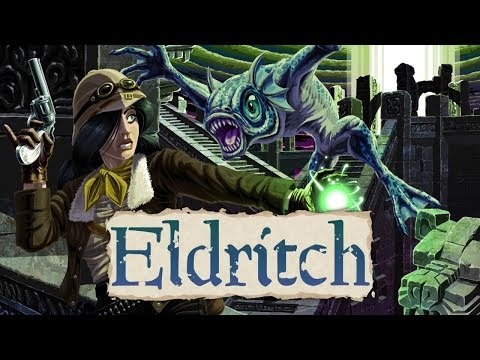
Eldritch is the original imsim roguelike: a first-person action game inspired by roguelikes, immersive sims, and H. P. Lovecraft. Unearth ancient secrets and find your way to freedom through procedurally generated levels that combine stealth, combat, exploration, and mystical powers into a single play loop. Randomly generated levels provide fresh challenges and opportunities each run. Invoke mystical powers to augment your play style, sneak past enemies you cannot fight, fight enemies you cannot avoid, and unlock shortcuts that let you jump directly to deeper dungeons on later attempts. The free Eldritch: Mountains of Madness expansion ships with the base game and adds a 10-story dungeon beneath the mountains of Antarctica. Frightening new monsters, new weapons, powers, and tools, and grave secrets in the depths all expand the original scope while keeping the run-based structure intact.
Fhtagn Simulator
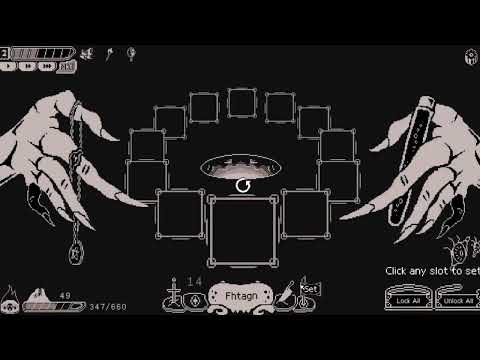
Fhtagn Simulator is a Cthulhu-mythos roguelike deckbuilder that takes inspiration from Luck be a Landlord, Slay the Spire and Monster Train but builds its core mechanic around a roulette wheel. The player's job is to summon the ancient gods by offering them enough spirit before each run's time limit runs out — fail to collect the necessary spirit, and you face punishment from the gods themselves and the run ends in failure. The roulette is where the strategy lives. Cards enter the wheel in a chaotic order determined by the Cthulhu world's general indifference to human notions of fairness — and each round can produce a different result depending on what lands where. You aren't powerless in the chaos: you manage the card slots on the wheel, and the right tweaks can dramatically maximize the value of the cards you have. Small structural changes to which slot does what can swing a run from collapse to overflow. The card pool draws from the full Cthulhu canon — mythical monsters, ancient gods, humble human sacrifices, evil spells, environmental cards — with relics rewarded by the dark powers that meaningfully alter how the game plays. Different combinations of cards and relics form different genre archetypes, and event cards in classic Cthulhu style punctuate the run with branching narrative choices. The whole experience is short, replayable, and committed to its theme of slow descent into willing damnation.
About Lovecraftian
Lovecraftian — поджанр игр, унаследовавший эстетику и мировоззрение прозы Г. Ф. Лавкрафта: космический ужас, древние существа за пределами человеческого понимания, безумие как реакция на правду о мироустройстве. Жанр работает скорее как тематическая надстройка над horror, RPG или action-проектами, чем как самостоятельная механическая категория, но всегда узнаваем по конкретному набору визуальных и сюжетных триггеров.
<b>Лавкрафтианский ужас</b> работает не через прыжки и кровавые сцены, а через осознание масштаба. Главный страх жанра — открытие, что ты насекомое в системе, размер которой человек не может вместить. Из этого вытекает ритм: сюжет почти всегда строится как медленное расследование, в котором улики копятся, и в финале герой получает ответы, отвечать на которые лучше было бы не уметь. Поверх этого работает специфический визуальный код: щупальца, рыбьи глаза, незакрытые геометрические структуры (нон-евклидова архитектура), маски культистов, морские мотивы. Третий слой — sanity-механика: во многих lovecraftian-играх рассудок героя — отдельный ресурс, и его потеря ведёт к галлюцинациям, искажению интерфейса, побочным эффектам в бою.
Bloodborne от FromSoftware — самая известная lovecraftian-игра современности: викторианский Ярнам с Великими, чьи имена нельзя произнести, и финальная глава, в которой охотник перерастает свою человеческую природу. Darkest Dungeon делает sanity центральной механикой — стресс героев растёт за каждый бой, и отряд психически разваливается быстрее, чем физически. Amnesia: The Dark Descent — каноничный first-person хоррор с прямой отсылкой к Лавкрафту: герой страдает от провалов памяти и не может смотреть на чудовищ напрямую, иначе теряет рассудок. Darkwood переводит лавкрафтианский тон в славянский лес: тут нет щупалец, но есть та же интонация неизбежности и ощущение, что лес знает о тебе больше, чем ты о нём. Layers of Fear (2016) — психологический хоррор о художнике, чья мастерская медленно превращается в нон-евклидов лабиринт. Cthulhu Saves Christmas — пародийный JRPG-выверт жанра: Ктулху как герой-новогодний-спаситель, и тон полностью перевёрнут.
Прямой родственник lovecraftian — Horror как родительская категория, обнимающая все игры с целью напугать. Psychological Horror — соседняя ветка, делящая с lovecraftian акцент на разрушении психики, но без обязательного мифоса Великих Древних. Cosmic Horror как литературный термин — синоним lovecraftian в большинстве случаев.